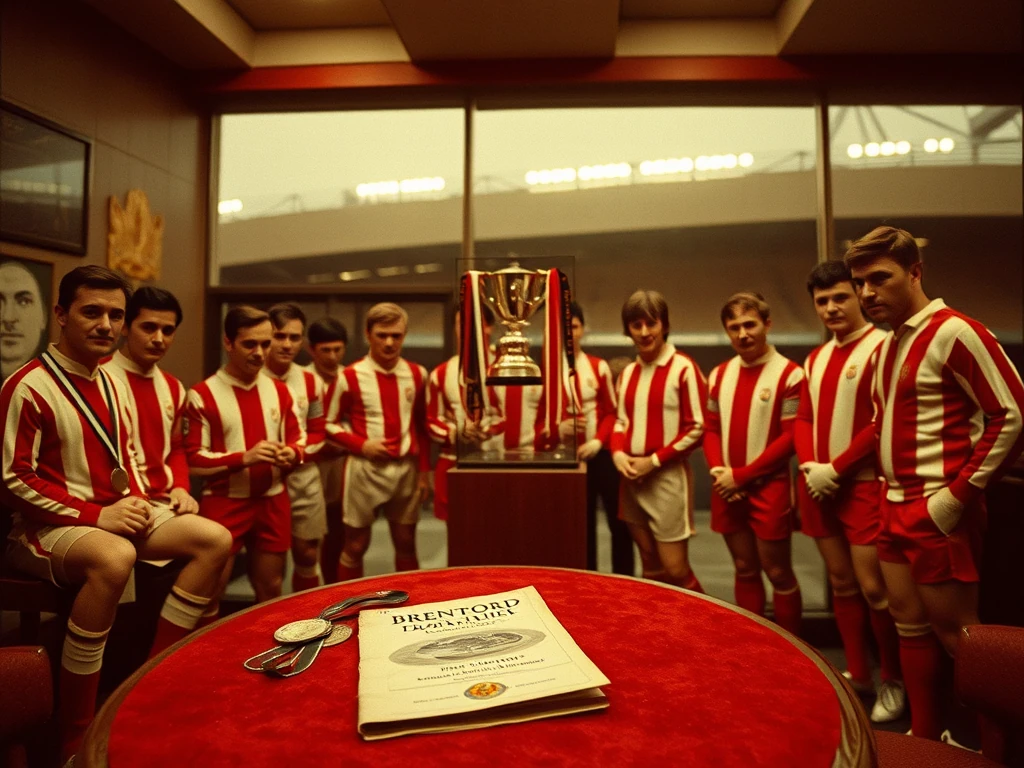
As the dust settled on World War II, the football landscape in England was in a state of flux. The 1946-47 season was a significant one for Brentford, as the club sought to rebuild and re-establish itself in the Football League after the war's disruption. The Bees were not merely looking to survive; they aimed to thrive, and their journey during this season would become a defining moment in the club's history.
Brentford began the season in the Second Division, determined to improve on their previous campaigns. Under the management of the astute Harry Curtis, the squad was infused with a mix of experienced players and emerging talents. The club’s strategy focused on solidifying their defense while playing an attacking brand of football that would excite the fans at the Stadium.
The Bees had a rocky start, facing strong competition in the league. However, as the season progressed, they showed remarkable resilience, bouncing back from early setbacks with spirited performances. Key players like goalkeeper Bertie Auld and forward George Francis became instrumental in the team’s resurgence, proving that Brentford had the depth and quality to compete at a higher level.
One of the highlights of the season came in a thrilling encounter against local rivals Fulham, where The Bees secured a memorable victory that would bolster their confidence. Matches like these not only boosted team morale but also rekindled the hope among fans who had longed for competitive football during the war years. The camaraderie and fighting spirit within the squad resonated with the supporters, further solidifying the club's identity.
As the season wore on, Brentford climbed the league table, showcasing a blend of tactical discipline and flair that made them a formidable opponent. The Bees' ability to adapt to the challenges posed by various teams in the league highlighted the tactical acumen of Curtis and the players' determination to succeed. Each match was a testament to their hard work and desire to restore pride to the club.
Ultimately, Brentford finished the 1946-47 season respectably, positioning themselves for a strong campaign in the following year. This resilience and ambition laid the foundation for the club's future endeavors, as they sought to build on the momentum gained during this pivotal season. The legacy of this era is a reminder of the club's enduring spirit and the unwavering support of its fans, who played a vital role in the journey.
In reflecting on the 1946-47 season, it becomes evident that Brentford was not just a team fighting for points; they were a community rallying together after years of hardship. The Bees' ability to rise from the ashes of war and compete fiercely in the Second Division set a precedent for years to come, reminding everyone that in the face of adversity, unity and determination can lead to remarkable achievements.